



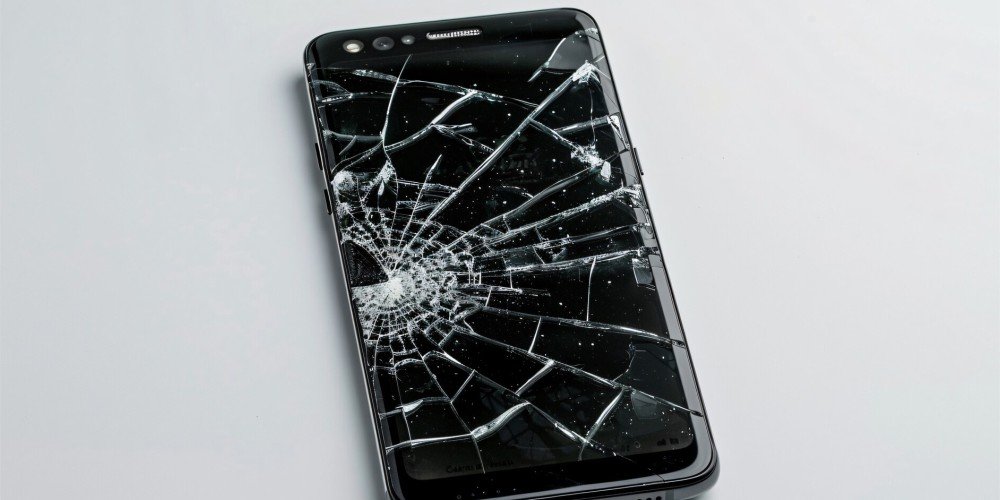
A cracked phone screen might seem like a minor cosmetic issue at first. The device still turns on. Touch still works. You can still text and scroll.
But ignoring a cracked screen often leads to bigger, more expensive problems, especially in a busy city like Vancouver where phones are constantly exposed to rain, cold weather, and daily commuting stress.
Here’s what actually happens when you delay fixing it.
1. Small Cracks Spread Faster Than You Think
Hairline cracks rarely stay small.
Temperature changes, pressure from your pocket, or even a minor drop can cause the crack to expand across the display. Vancouver’s cold winters make this worse, because glass becomes more brittle in low temperatures.
What starts as a tiny corner crack can quickly turn into:
- Touch sensitivity problems
- Dead zones on the screen
- Flickering or display distortion
If the damage worsens, the repair may become more complex than a simple glass replacement. You can see typical pricing differences here:
How much does it cost to fix a cracked iPhone screen in Vancouver?
2. Moisture Exposure Is a Serious Risk in Vancouver
Even if your phone hasn’t fallen into water, cracked glass compromises the seal that protects internal components.
Vancouver’s climate means frequent exposure to:
- Rain
- Humidity
- Wet hands
- Condensation from temperature shifts
Moisture can enter through micro fractures in the screen and start damaging internal circuits. In many cases, what could have been a straightforward screen repair turns into a liquid damage case.
If you’re unsure how moisture affects devices, this guide explains repair vs replacement scenarios:
Is it better to repair or replace a water damaged iPhone?
3. Touch Issues and Ghost Input
Cracks don’t just affect the outer glass.
Modern iPhones use laminated displays where the glass and digitizer are bonded together. When cracks worsen, you may notice:
- Unresponsive areas
- Random typing
- Screen activating on its own
- Delayed touch response
If your screen is already acting unpredictably, it may not just be cosmetic damage.
4. Face ID and Sensor Problems After a Drop
Many cracked screens happen after a drop. Even if Face ID seems fine at first, internal components can shift slightly.
Later, you may experience:
- Face ID not recognizing
- Camera focus issues
- Proximity sensor malfunction
5. Higher Long-Term Repair Cost
Delaying repair increases risk exposure.
Here’s how costs escalate:
Stage 1 → Minor glass crack
Stage 2 → Display damage
Stage 3 → Internal component issues
Stage 4 → Liquid damage from exposure
Stage 1 is always the least expensive to fix.
Waiting rarely saves money.
6. Safety Concerns Most People Ignore
Cracked screens can cause:
- Micro glass splinters
- Skin irritation
- Finger cuts
- Eye strain from distorted display
These aren’t dramatic issues, but they’re real. And they add up over time.
When Should You Act?
You should consider addressing the issue if:
- The crack is spreading
- Touch accuracy changes
- Brightness fluctuates
- You see discoloration or lines
- You rely on the device for work or business
If you’re evaluating professional repair options, you can review our main service overview here: iPhone repair services in Vancouver
That page outlines what types of iPhone issues are typically handled and what to expect during diagnosis.
A cracked screen is rarely just cosmetic.
In Vancouver’s climate and daily urban use, small damage often becomes larger technical failure. Acting early keeps the repair simpler, cheaper, and safer.
If you’re unsure whether your screen damage is still minor or already affecting internal components, it’s better to assess it before the issue escalates.